

The stories and photographs of the German soldiers on multiple frontlines. The photographs will depict Germans of different allegiances, not limited to any concrete single form of a German state.
Being updated.
*fahrsprojects.blog reminds the reader that no material on this website is intended to reflect creator’s personal beliefs, opinions, or views.

Pilots and mechanics of the 1st Group of the ZG 26 “Horst Wessel” squadron take a photo in front of a twin-engine Messerschmitt Bf-110 fighter flown by group commander Hauptmann (Captain) Wilhelm Makrotzki. France, Saint-Omer airfield. August 1940.
A Dutch soldier from the 10th SS Panzergrenadier Regiment “Westland” of the SS Division “Wiking” on a captured Soviet T-34 tank. 1941–1943.
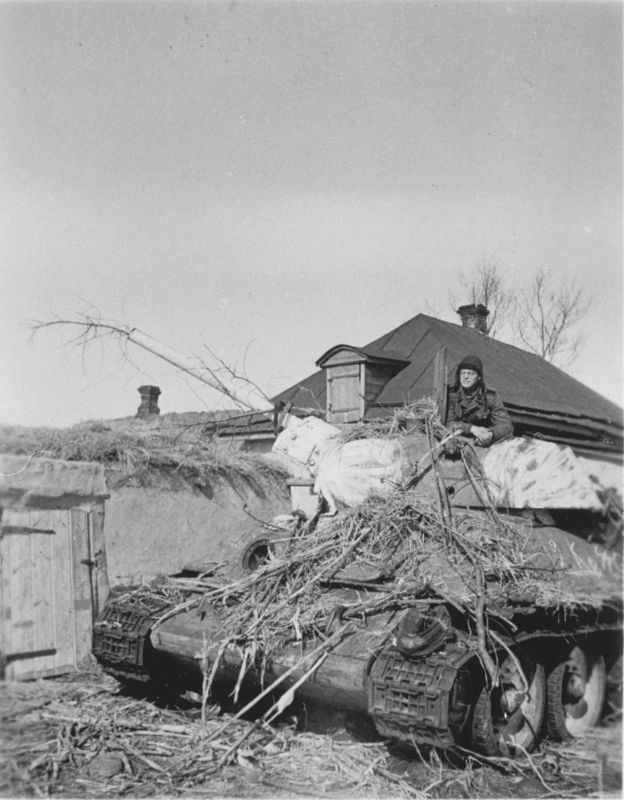
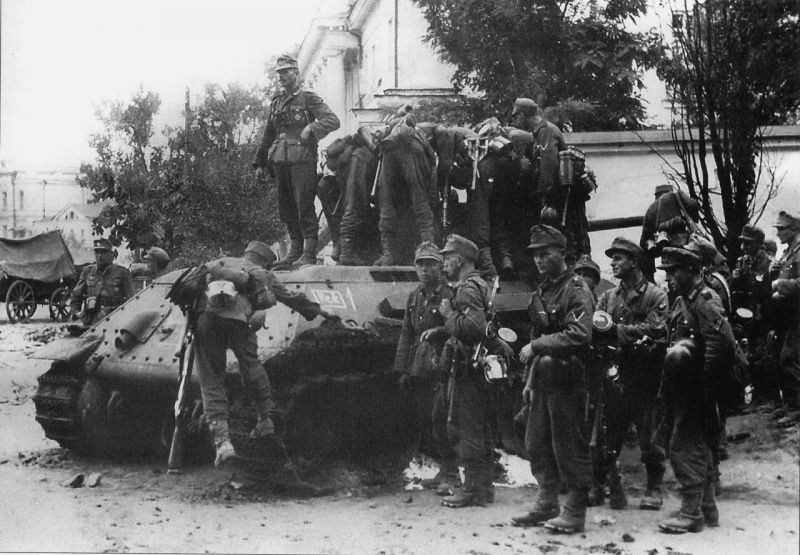
German mountain riflemen (Gebirgsjäger) examine a Soviet T-34 tank, knocked out near Poltava’s central park. During the battle, the driver crashed into the wall of a building, bending the gun barrel. It’s likely that the tank belonged to the 1st or 2nd Battalion of the 10th Tank Regiment of the 10th Tank Brigade, which defended Poltava in September 1941. September 1941.
SS Brigade “Leibstandarte Adolf Hitler” soldiers: Unterscharführer Helmut Josef Wilhelm “Bubi” Burose (located in the center, died seconds after the photo was taken) and another soldier walk around a disabled Soviet BA-10M armored car to inspect it.
The picture is taken from the official 1943 album of the SS “Leibstandarte Adolf Hitler” Brigade.

Stalingrad ’42 – ’43
Winter combat in Stalingrad. The German machine gunner is combating the advancing troops of the Red Army. The line of light going up is in fact just a flare.
In late Spring/early Winter, German troops were encircled as a result of the successful Operation Uranus performed by the Red Army. This is presumably one of the last photographs taken in the encircled 6th Army, before its commander, Friedrich Paulus, surrendered to the Soviets. Winter 1943.

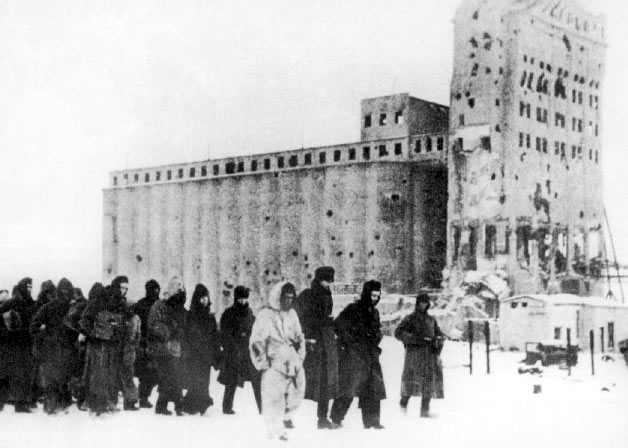
The Elevator [Stalingrad’s grain storage – fahrsprojects.blog] building is one of the symbols of the Battle of Stalingrad. The building was one of the tallest ones in the city and had strategic purpose as a dominant height (which could have been used for reconnaissance). Both sides fearlessly fought for the control of this categorically important facility, and the Elevator changed hands several times.
The picture shows German PoWs escorted by a Soviet soldier. 1943.
“September 16th.
Our battalion, plus tanks, is attacking the Elevator, from which smoke is pouring – the grain in it is burning, the Russians seems to have set light to it themselves. Barbarism. The battalion is suffering heavy losses. There are not more than sixty men left in each company. The Elevator is occupied not by men but by devils that no flames or bullets can destroy.” – German soldier’s diary1.
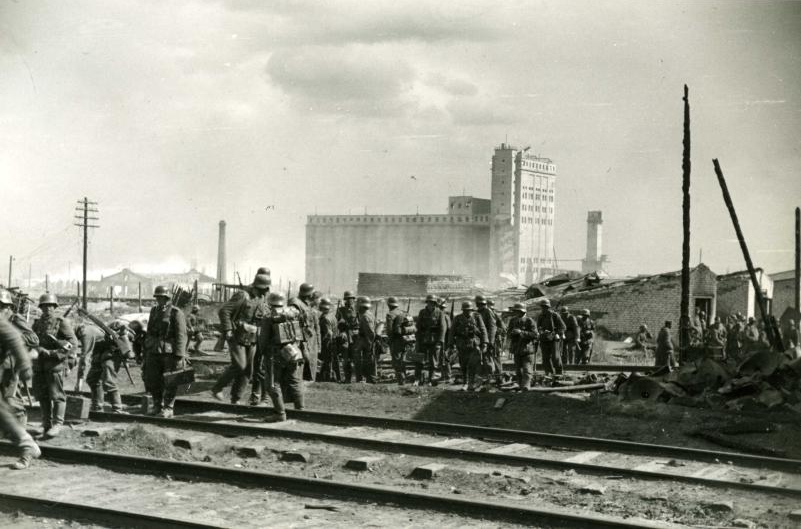
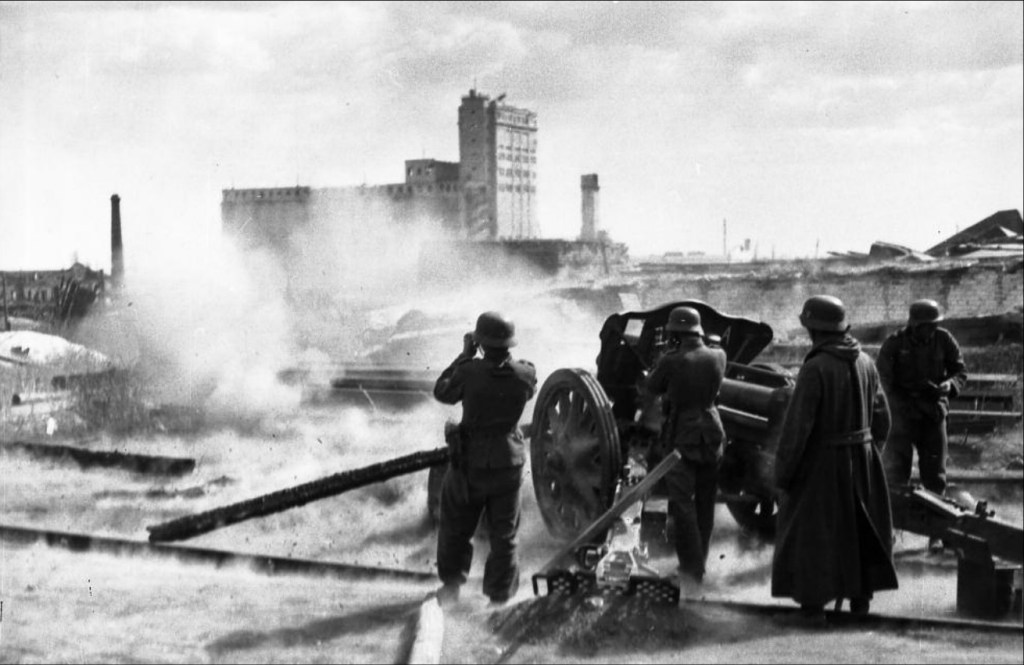
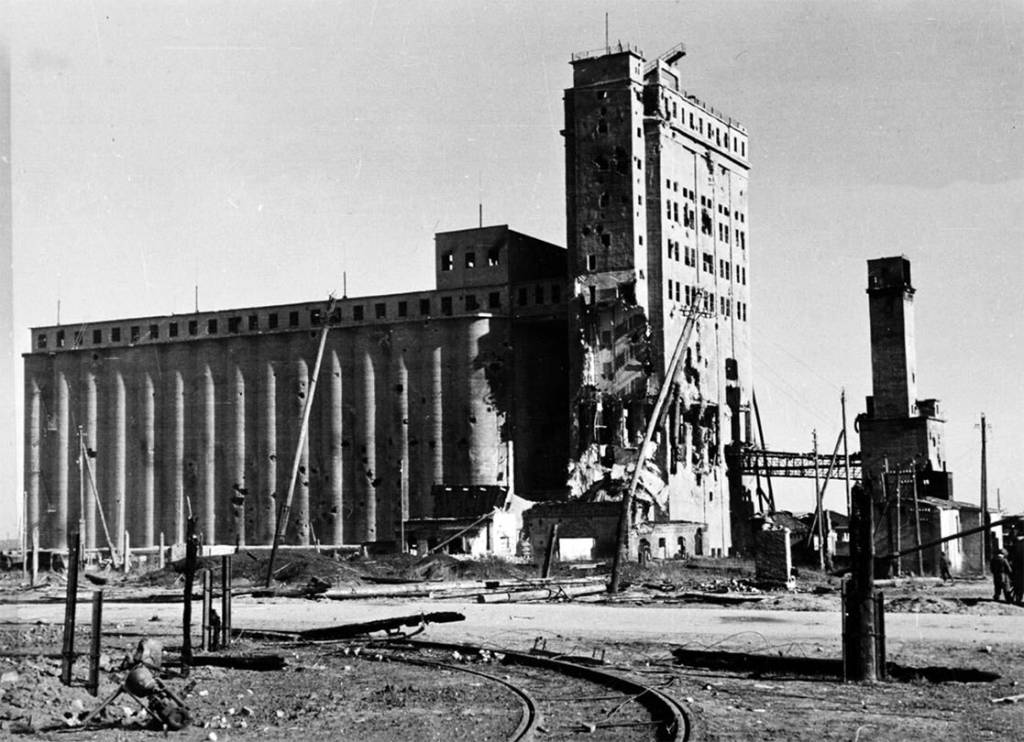
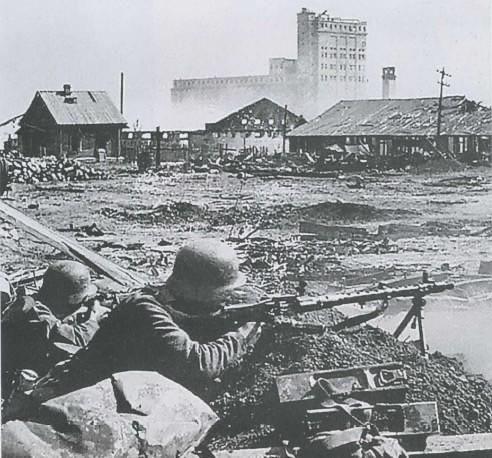
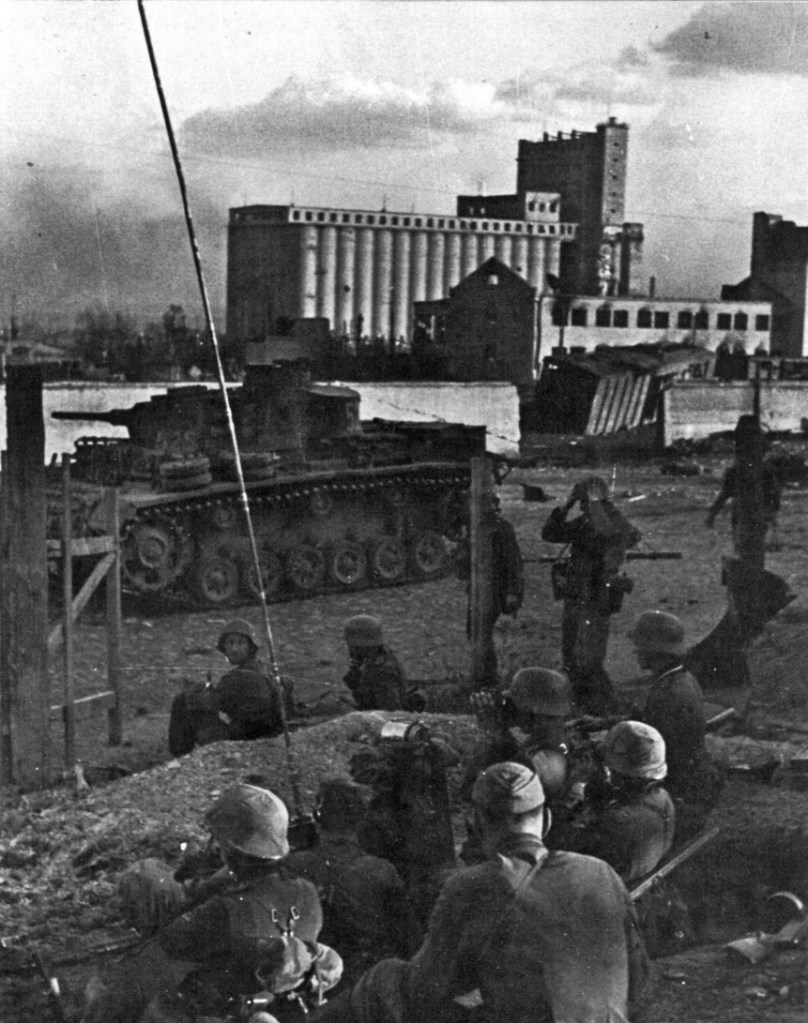

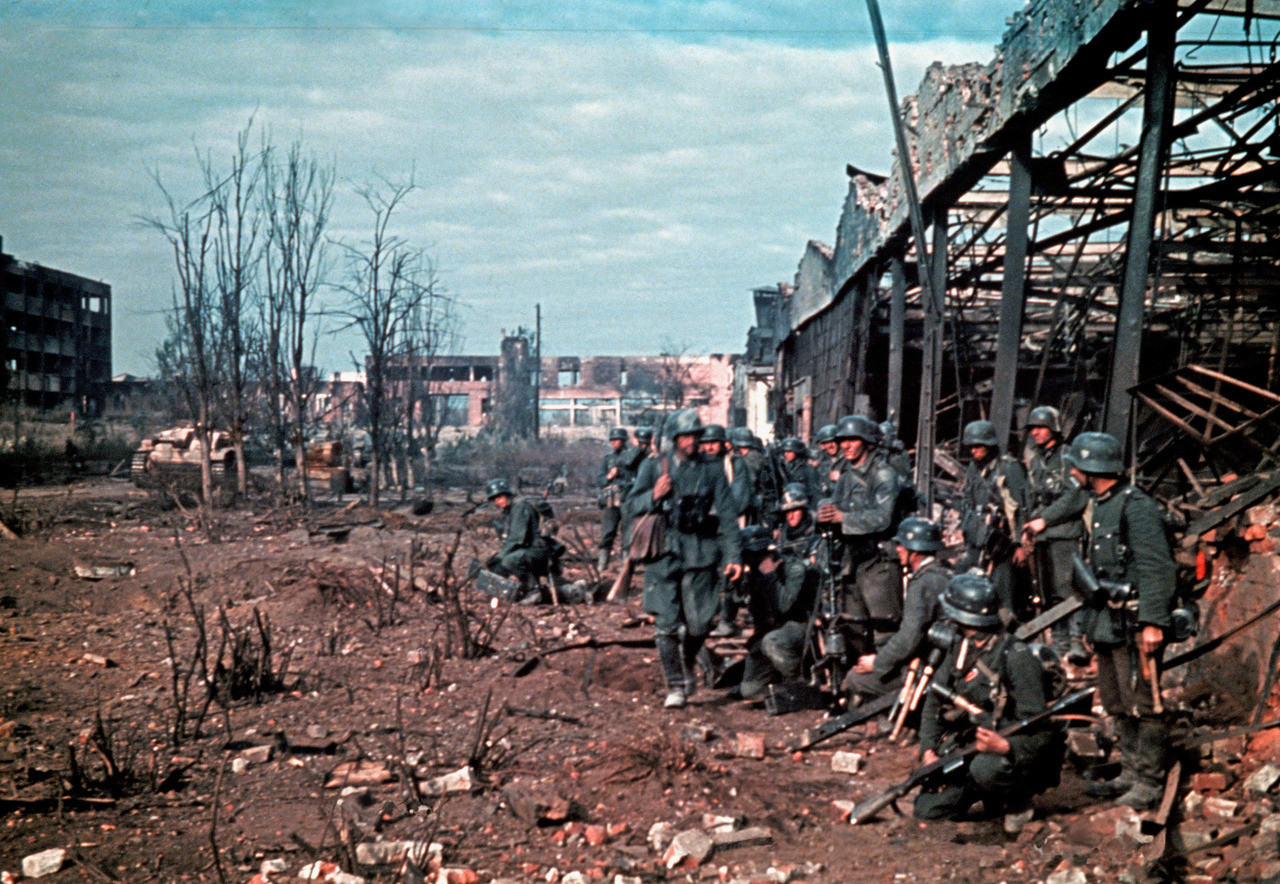
Soldiers of the 9th Company, commanded by Lieutenant Klaus Vogt, of the 578th Infantry Regiment of the 305th Infantry Division of the Wehrmacht, stand at the ruins of the Stalingrad Tractor Factory. A German StuG III self-propelled gun can be seen on the left. October 1942.
German Democratic Republic ’49 – ’90
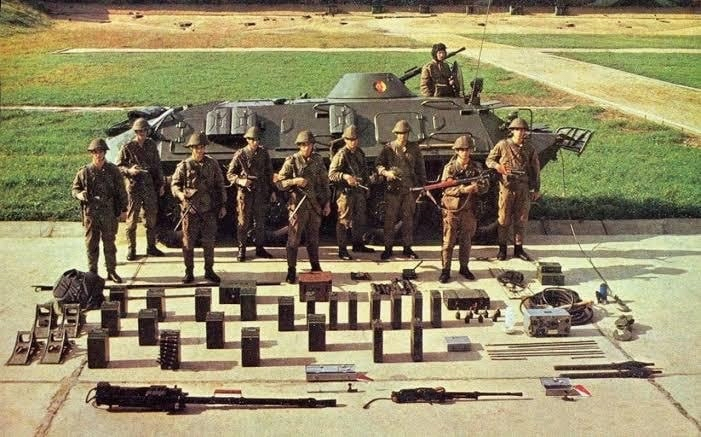
East German BTR-60PB and its equipment. The equipment in front of the personnel includes a PK tank machine gun, 2 RPG-7Vs, ammunition boxes for RPG, grenades, signal flares, smoke grenades, radio set (either R-123 or R-105M), and various field/personal tools.
Ukraine ’43
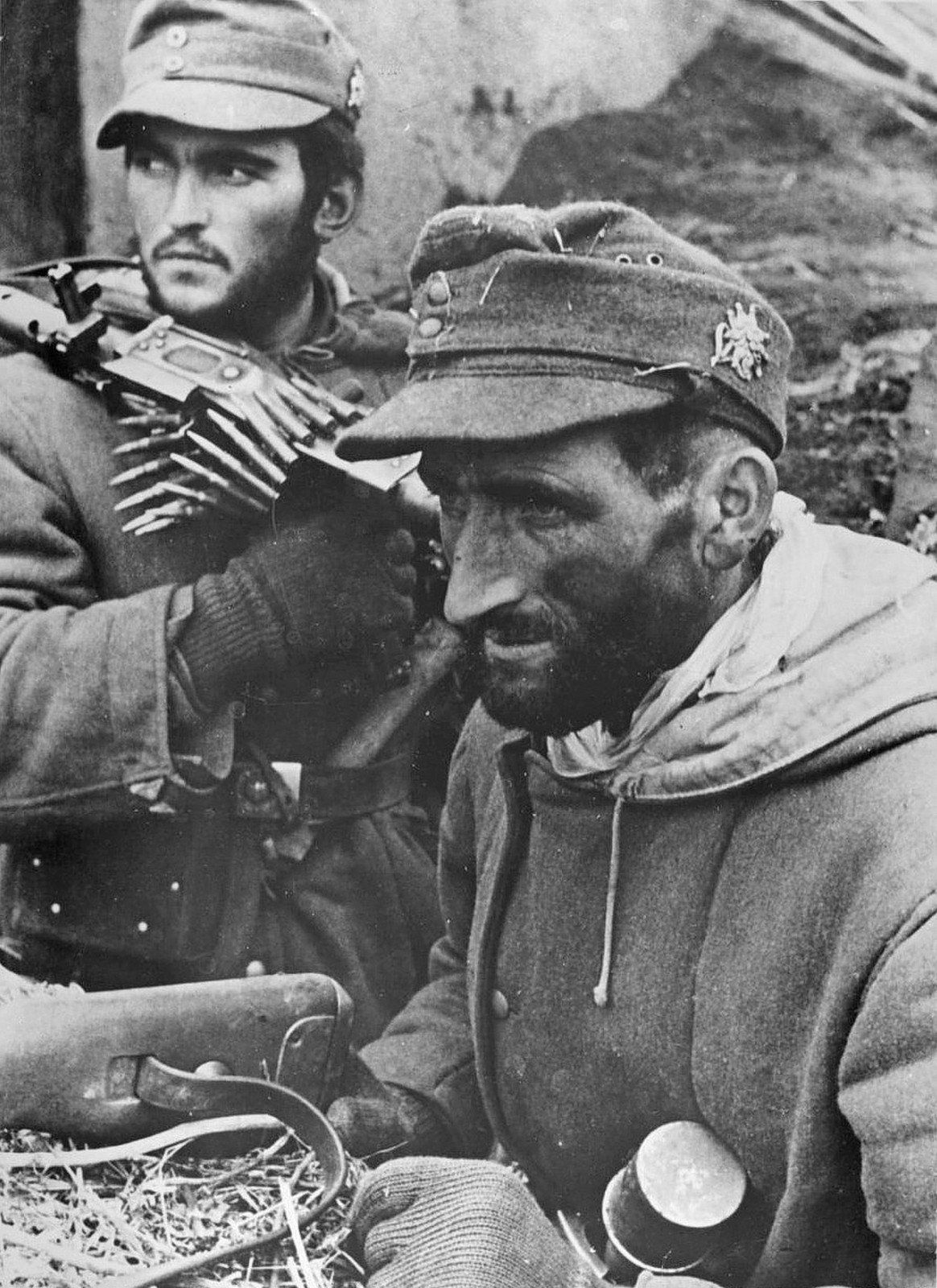
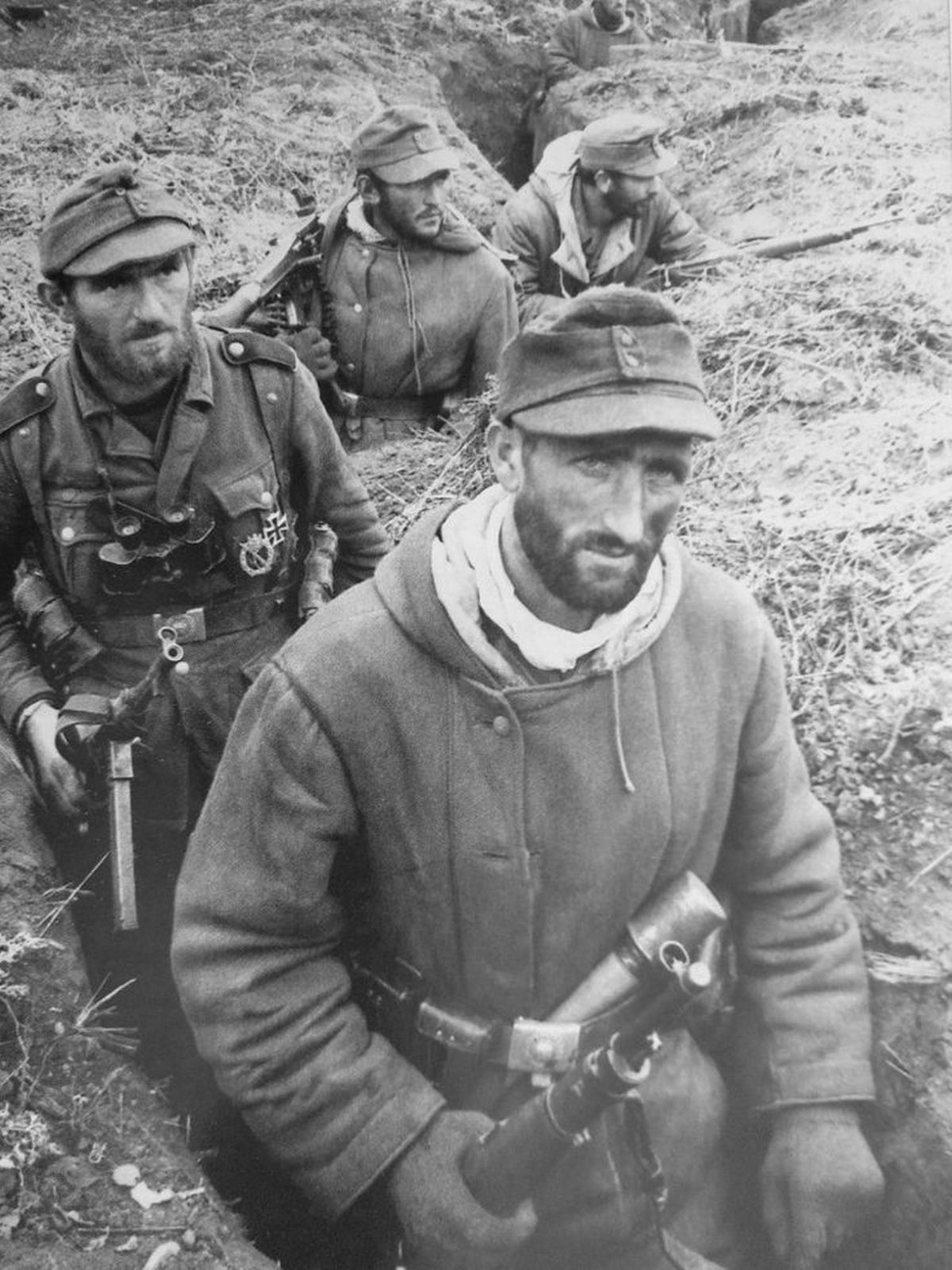
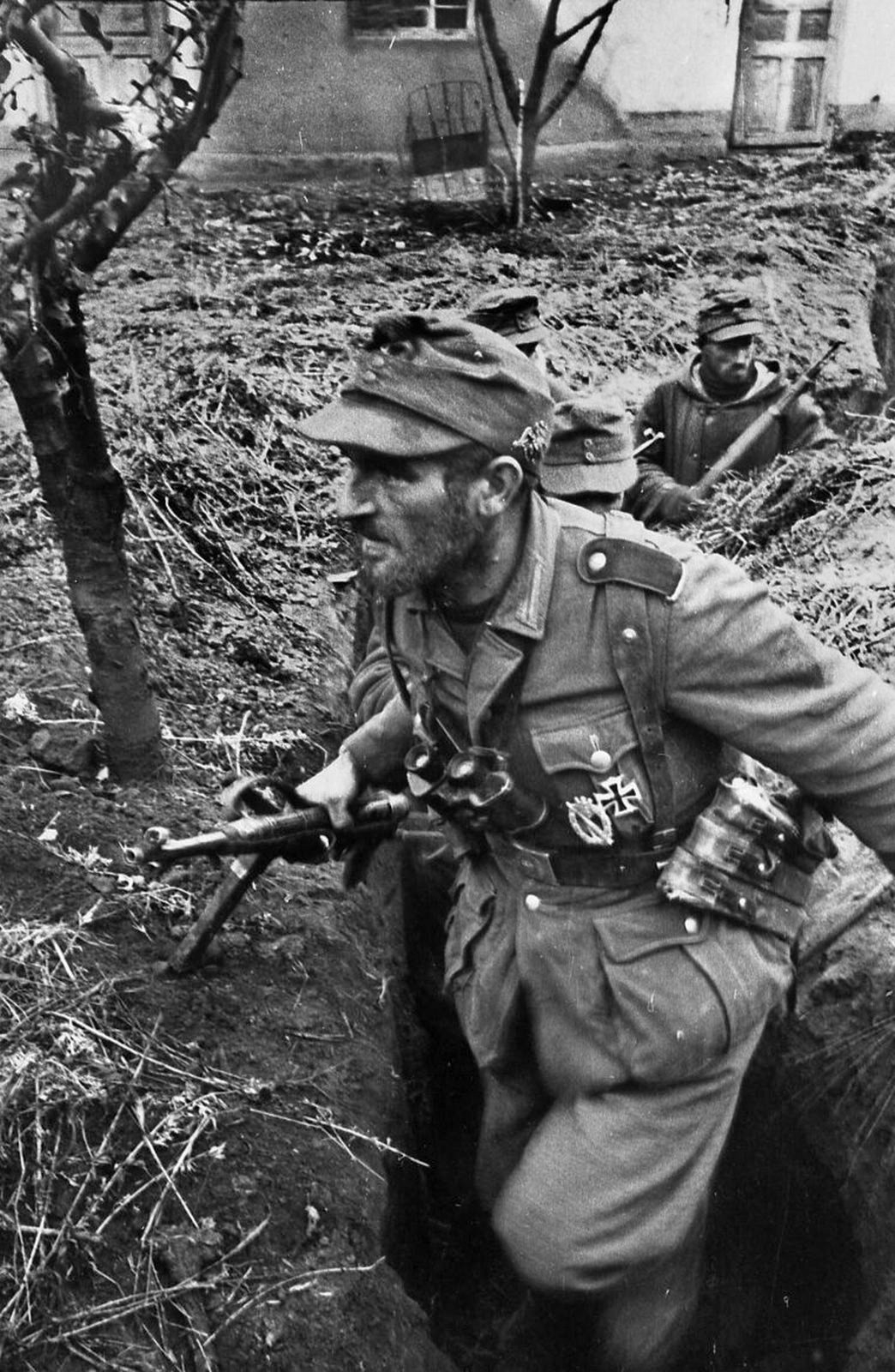
Mountain rangers of the 3rd Division near the city of Nikopol, Dnepropetrovsk Oblast, Ukrainian Soviet Socialist Republic. October 1943.


- William Hoffman. Diary of a German Soldier. ↩︎
 fahrsprojects.blog